
Marriage is a beautiful truth for a lifelong commitment, but what if it doesn’t go as good as you want? We never want this to happen to any of you ever. But what if this nightmare becomes a reality? You should prepare for this, right?
However, if you consider the possibility of divorce, it is essential to be aware of a prenup agreement
before tying the knot for your safety. So, let’s explore more about marriage and prenuptial agreements in detail, including their advantages.
This agreement is a legal contract that is signed before marriage. But what does it consist of? Generally, it outlines the division of assets, debts, and responsibilities in case of separation, divorce or death. Plus, it covers alimony, inheritance, or other property rights. A prenup is valuable for everyone, whether in a traditional or common law marriage. It is related to wealth and helps in managing expenses, preventing conflicts, and smoothing the process.
This agreement is crucial for both spouses in the long term. Here are a few reasons that confident you how a legal agreement is the wisest decision you've ever made:
Common Misconception About Prenuptial Agreements
Many people avoid considering this agreement only because they think it shows a lack of trust. However, this prenuptial is not about expecting a divorce. But about being prepared for possibilities. Here are a few things that were taken mistakenly for this agreement:
1- Prenups Are Only for the Wealthy: Mainly this agreement is for only wealthy individuals is the biggest misconception. They are beneficial for anyone planning to get married. It can protect personal assets and save your future earnings.
2- Prenups Are Unromantic: Another misconception is that these agreements are unromantic and lack trust or love. But it’s not true. It is actually a responsible decision for spouses. Discussing and signing a prenup agreement shows that both parties are committed to a fair and transparent partnership.
3- Prenups Aren’t Enforceable: Many people think that a legal prenuptial agreement will not be enforced; this is not accurate. If done properly by family lawyers, a prenup can be enforceable in most jurisdictions. However, it is very important for a prenup to be valid; both parties must disclose their assets, and the agreement must be voluntary. Moreover, the agreement can only be signed in the manner required by the agreement.
In some jurisdictions, a common-law marriage is recognized as a legal marriage. However, many jurisdictions will not provide that same treatment. A prenup agreement for common law relationships can be very important for both partners during separation. It is also necessary if one partner has been living with the partner for some time, but is not legally married. Besides, some of the common questions that couples or spouses ask are:
Do prenuptial agreements apply to common law marriages?
Yes, you can obtain a prenup agreement for common-law relationships, which can provide the same protections to each party's rights upon separation.
Are Prenuptial agreements enforceable?
Prenup agreements are enforceable if they are legally compliant, contain a full disclosure of the assets, and are signed voluntarily by both parties.
Do Prenuptial agreements cover debts?
Yes, the agreement can define what happens to debts in the event of divorce, making it clear which spouse will be responsible for which debts.
In a nutshell, while a prenuptial agreement does not guarantee the success of a marriage, it provides both parties with certainty about their expectations and protects their assets. Furthermore, if a divorce occurs, a prenup agreement will provide necessary guidance on how various issues will be addressed. Overall, it is a very useful tool for establishing the rights of both parties, reducing ambiguity that can lead to disputes, and providing peace of mind.
It is always advisable to speak with experienced family lawyers when you are considering this agreement. Existence professionals can assist in drafting an agreement that complies with the law and with your interests.
For more information on prenuptial agreements or to discuss your specific needs, visit Rutman & Rutman, a trusted Family Law Firm in Ontario.
Losing someone close to you is one of the hardest experiences in life. During this sad time, focusing on work becomes challenging. That’s why bereavement leave exists. It gives employees the time and space they need to grieve, attend funeral arrangements, and be with their families. In Ontario, bereavement leave is protected under the Employment Standards Act (ESA). There is so much you must know about this leave policy, so this guide covers: What is a bereavement leave Who qualifies for the leave If it is a paid or unpaid leave, and more When you know these details, you can properly determine if you are getting all the rights and entitlements from your employer. What is a Bereavement Leave in Ontario? Bereavement leave is a job-protected, unpaid leave for employees to help them heal after the sudden death of a family member. During this time, they can attend funeral services,...
Read MoreBalancing work and personal life is essential. As important as it is to stay committed at work, it’s important to take time for yourself and handle personal responsibilities when life demands it. There are times when your health needs attention, your family needs support, or unexpected and unavoidable situations arise. During these times, you shouldn’t have to worry about your job security. That’s why Ontario provides job-protected leaves under the Employment Standards Act, 2000 (ESA), so employees can step away when necessary and return without risking their employment. There are limits on the types of leave you can apply for under Ontario's employment policy. Let’s understand everything about leave of absence in Ontario as per Ontario’s Employment Standards Act, 2000 (ESA). What Is a Leave of Absence in Ontario? A leave of absence means that you can take time off work while keeping your employment status active. These leaves are...
Read MoreEmployees are not always comfortable replying to work emails and messages even after their working hours have ended. With phones and laptops always nearby, the boundary between work and personal time has become blurred. Over time, this constant connectivity can affect both work-life balance and overall well-being. As these concerns became more common across workplaces in the province, clearer rules were introduced to address after-hours communication and employer expectations. In Ontario, some employers must have a written Right to Disconnect policy that explains after-hours communication, but it doesn’t stop them from contacting you after work. This guide explains everything employees and employers need to know about the policy. What is the Right to Disconnect? The Ontario “Right to Disconnect” policy was introduced by the provincial government on December 2, 2021, under the Employment Standards Act, 2000 (ESA). Under the policy, employees may disconnect from work after working hours. The purpose...
Read More
Losing someone close to you is one of the hardest experiences in life. During this sad time, focusing on work becomes challenging. That’s why bereavement leave exists. It gives employees the time and space they need to grieve, attend funeral arrangements, and be with their families. In Ontario, bereavement leave is protected under the Employment Standards Act (ESA). There is so much you must know about this leave policy, so this guide covers: What is a bereavement leave Who qualifies for the leave If it is a paid or unpaid leave, and more When you know these details, you can properly determine if you are getting all the rights and entitlements from your employer. What is a Bereavement Leave in Ontario? Bereavement leave is a job-protected, unpaid leave for employees to help them heal after the sudden death of a family member. During this time, they can attend funeral services,...
Read More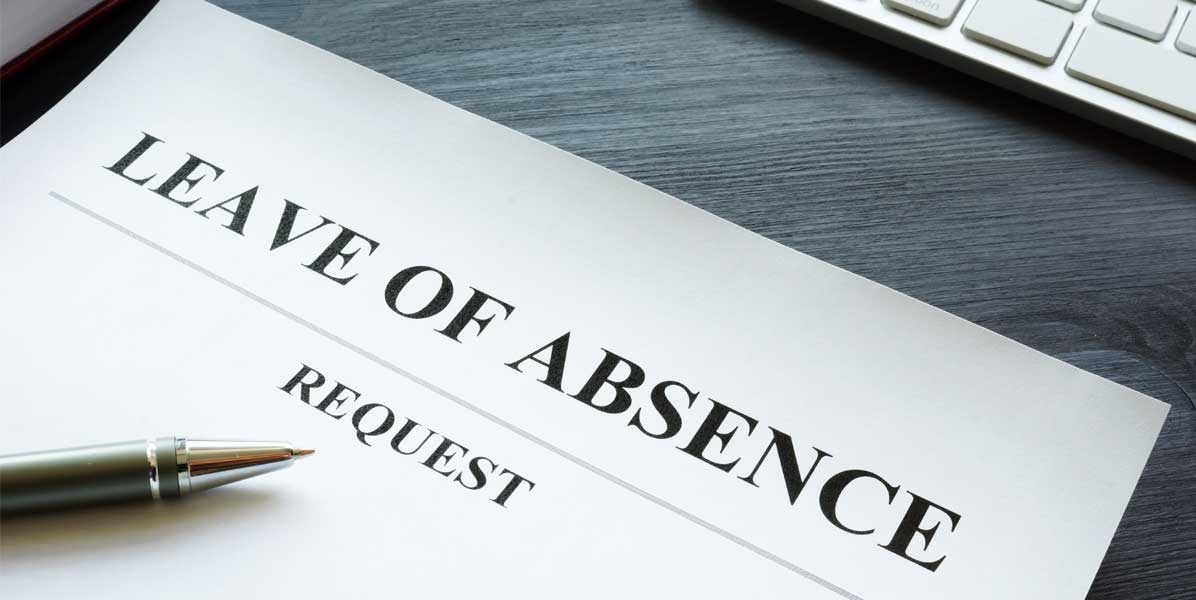
Balancing work and personal life is essential. As important as it is to stay committed at work, it’s important to take time for yourself and handle personal responsibilities when life demands it. There are times when your health needs attention, your family needs support, or unexpected and unavoidable situations arise. During these times, you shouldn’t have to worry about your job security. That’s why Ontario provides job-protected leaves under the Employment Standards Act, 2000 (ESA), so employees can step away when necessary and return without risking their employment. There are limits on the types of leave you can apply for under Ontario's employment policy. Let’s understand everything about leave of absence in Ontario as per Ontario’s Employment Standards Act, 2000 (ESA). What Is a Leave of Absence in Ontario? A leave of absence means that you can take time off work while keeping your employment status active. These leaves are...
Read More
Employees are not always comfortable replying to work emails and messages even after their working hours have ended. With phones and laptops always nearby, the boundary between work and personal time has become blurred. Over time, this constant connectivity can affect both work-life balance and overall well-being. As these concerns became more common across workplaces in the province, clearer rules were introduced to address after-hours communication and employer expectations. In Ontario, some employers must have a written Right to Disconnect policy that explains after-hours communication, but it doesn’t stop them from contacting you after work. This guide explains everything employees and employers need to know about the policy. What is the Right to Disconnect? The Ontario “Right to Disconnect” policy was introduced by the provincial government on December 2, 2021, under the Employment Standards Act, 2000 (ESA). Under the policy, employees may disconnect from work after working hours. The purpose...
Read More
Are you stuck with a legal issue? Don't navigate the complexities alone! Turn to our top-rated lawyers for expert guidance and support, ensuring you make informed decisions every step of the way!
 call us: